Eco-Friendly Approaches: How E-Waste Recycling Services Are Preserving Our Planet
E-waste represents a considerable hazard to the environment, as discarded electronics often contain toxic materials. These toxic materials have the potential to taint soil and water sources, leading to broader ecological damage. E-waste recycling initiatives provide a practical answer. They not only recover valuable resources but also mitigate pollution. Comprehending the operation of these services and their influence on communities is of great importance. The path to successful electronic waste management prompts vital discussions about personal accountability and communal efforts. What steps can be taken next?
Why Electronic Waste Is Harmful to the Planet
While technological advancements improve contemporary living, e-waste creates serious threats to the environment. Discarded electronic devices, commonly laden with toxic substances including lead, mercury, and cadmium, are capable of seeping pollutants into groundwater and soil, presenting dangers to ecosystems and human health. The swift progression of technology leads to higher rates of electronics disposal among consumers, intensifying the growing problem of electronic waste.
Landfills, already strained by waste, are unable to keep up with the rising quantities of abandoned electronics. Burning, an alternative disposal approach, discharges toxic contaminants into the air, worsening overall air quality. Moreover, poor recycling procedures can cause e-waste to be sent to developing regions, where employees may disassemble electronics without sufficient safety precautions, leaving them vulnerable to harmful substances. This pattern of negligence and mismanagement highlights the critical demand for eco-friendly recycling alternatives that can reduce the damaging impact of electronic waste on the environment.
Understanding E-Waste and Its Significance
E-waste, also referred to as electronic waste, encompasses discarded electronic devices like smartphones, computers, and televisions that have reached the end of their useful life. This growing category of waste is significant because of its swift buildup, fueled by innovation in technology and shifting consumer habits. As more devices become obsolete, the ecological consequences become more pronounced, with dangerous elements including lead, mercury, and cadmium threatening both ecosystems and public health.
The significance of tackling e-waste extends beyond minimizing these risks to recognizing the valuable resources it holds. Valuable metals and rare earth materials can be extracted and repurposed, lessening the demand for mining and preserving natural resources. Through a deeper awareness of e-waste and its consequences, both individuals and organizations can make well-informed choices regarding disposal and recycling, thereby supporting a more sustainable future. Effective handling of e-waste is vital for encouraging a circular economy and advancing environmental responsibility.
How E-Waste Recycling Works
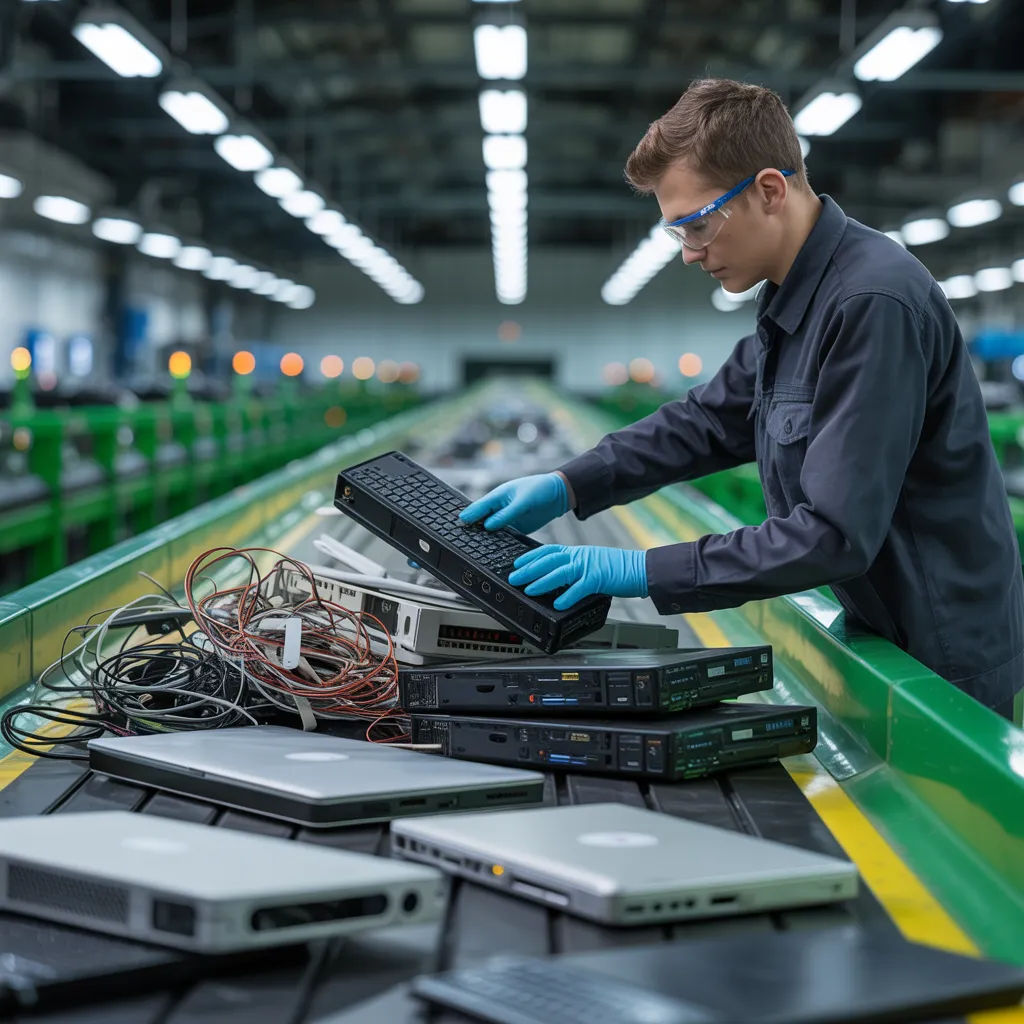
Recycling e-waste involves an organized procedure intended to extract beneficial components while reducing harm to the environment. To begin, e-waste is collected and transported to purpose-built recycling plants. Once there, the devices undergo thorough sorting to isolate dangerous parts from recoverable materials.
Next, technicians take apart the items, separating plastics, metals, and glass. This stage is crucial, as it allows for the reclamation of valuable metals like silver, gold, and copper, which are repurposed in new electronics.
Subsequently, the divided materials are treated using state-of-the-art techniques, such as chemical treatments and shredding, to refine them for reuse.
Finally, the residual dangerous materials are managed properly, adhering to environmental regulations. This systematic method not only saves important resources but also reduces the dangers associated with irresponsible electronic waste disposal, ensuring a more sustainable future for electronic consumption.
Advantages of E-Waste Recycling for You and Your Community
While many individuals may not realize it, the benefits of e-waste recycling reach well past personal use to meaningfully influence entire communities. By responsibly disposing of electronic waste, individuals contribute to a healthier environment, minimizing hazardous materials that can seep into soil and water. This proactive approach actively safeguards local ecosystems and advances public health.
Additionally, e-waste recycling promotes workforce growth within communities. Community recycling operations commonly require workers for various operations, from collection to processing, therefore offering work opportunities for community members. This not only stimulates the local economy but also fosters community involvement in eco-friendly practices.
Additionally, familiarity with e-waste recycling can lead to awareness campaigns, enabling residents to adopt eco-friendly choices. By enrolling in e-waste recycling programs, individuals foster a culture of sustainability, inspiring others to embrace similar practices. All things considered, the collective impact of these actions can lead to a more sustainable and conscientious community.
A Guide to Selecting an E-Waste Recycling Service
Selecting the best electronic waste recycling provider is See the full post crucial for ensuring that electronic refuse is managed in a responsible and sustainable manner. First, individuals should check the provider's certifications, such as e-Stewards or R2, which indicate conformance to established benchmarks for responsible recycling methods. It is equally important to assess the organization's reputation by reviewing feedback and seeking referrals from reliable sources.
Moreover, transparency in the recycling process is vital. A reliable company should supply straightforward details about how e-waste is processed and what happens to the materials. Moreover, assessing the variety of services available can be advantageous; various firms may supply retrieval services or extend benefits for recycling.
Furthermore, understanding local guidelines related to e-waste disposal may further shape the selection process. Through focusing on these key aspects, residents can actively participate in successful electronic waste reduction alongside encouraging sustainable environmental efforts.
Ways You Can Participate in E-Waste Recycling?
Engaging in e-waste recycling may begin at the local level, where local recycling facilities often provide essential services for safe disposal. Moreover, taking part in community awareness campaigns can amplify efforts to inform others regarding the importance of proper e-waste handling. Such efforts not only promote sustainability but also cultivate a collective sense of accountability for the environment.
Area Recycling Stations
A wide range of neighborhood recycling stations fulfill a critical purpose in electronic waste recycling, giving communities practical solutions to dispose of electronic waste responsibly. These facilities handle a range of electronic devices, including aging computers, cell phones, and television sets, ensuring that harmful materials are handled safely. Most centers are equipped with qualified professionals who are able to assist individuals with correct disposal techniques, highlighting the value of recycling rather than landfilling. Moreover, numerous facilities provide scheduled drop-off occasions or specific collection dates, enabling residents to engage without difficulty. By taking advantage of these neighborhood resources, community members advance a circular economy, decreasing environmental damage and advancing sustainable approaches. Partnering with these facilities empowers communities to take action against e-waste pollution effectively.
Public Awareness Initiatives
Local organizations, schools, and businesses can work together to organize events that support e-waste collection drives. Volunteers can play a pivotal role in raising awareness, sharing informational resources, and connecting with local residents. As a result of these combined actions, residents become more informed and motivated to recycle their electronic waste, thereby helping to build a greener and more sustainable tomorrow.
Answers to Your Most Common Questions
Which Types of Electronics Are Recyclable?
Various electronics may be recycled, including computers, smartphones, televisions, laptops, gaming consoles, and printers. Furthermore, ancillary devices such as batteries, keyboards, and mice are equally appropriate for recycling, supporting environmental conservation efforts.
Is There a Cost Associated With E-Waste Recycling?
That's correct, e-waste recycling can include fees, based on the facility. Some service centers apply costs for pickup or handling, while other facilities offer free services, typically funded by the proceeds from salvaged materials.
How Do Businesses Gain From E-Waste Recycling?
Companies can take advantage of e-waste recycling by lowering disposal expenses, enhancing their environmental image, adhering to regulatory requirements, recovering valuable materials, and possibly earning income through resale, thereby fostering a more environmentally responsible business approach.
What Becomes of Data on Recycled Devices?
Details regarding refurbished equipment is frequently irretrievably wiped or destroyed during processing. This confirms sensitive information stays protected, preventing unauthorized access while permitting materials to be recycled securely and sustainably within new applications.
Is It Possible to Recycle Damaged Electronics?
Absolutely, defective electronics may be recycled. Many facilities accept defective devices, providing responsible disposal and retrieval of recoverable materials. This helps reduce the environmental footprint while fostering eco-friendly recycling methods to control electronic waste responsibly.